Welcome to Healing Touch Clinic

Gastrointestinal Treatment in Noida
Gastrointestinal Treatment in Noida at Healing Touch Clinic, Noida
Heartburn that never quite goes away, bloating after almost every meal, a change in bowel habits you have been putting off mentioning: digestive troubles are easy to dismiss in the rush of city life, yet they can be the earliest signals of conditions that are far easier to treat when caught in time.
If you live in Noida and have been living with stomach or bowel symptoms, or have been advised to see a surgeon for a digestive problem, Healing Touch Clinic in Sector 132 offers specialist surgical evaluation. Dr. Tarun Mittal assesses each patient thoroughly, recommends surgery only when it is truly needed, and uses laparoscopic techniques wherever they are safe.
What Is the Gastrointestinal Tract?
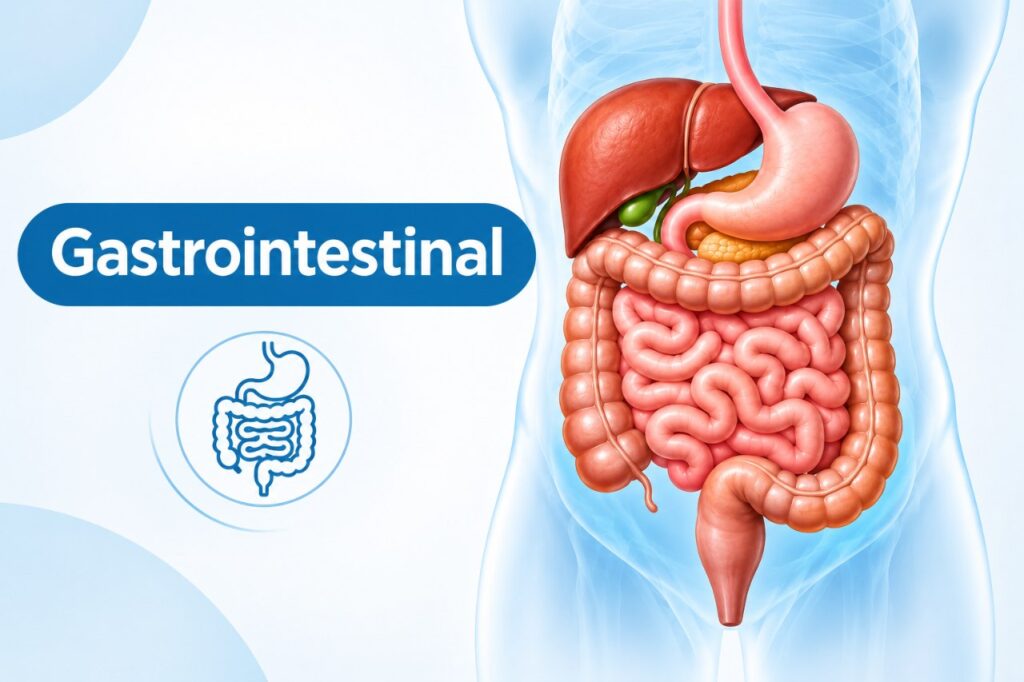
The gastrointestinal (GI) tract runs from the food pipe through the stomach, small intestine and colon to the rectum and anus. The liver, gallbladder and pancreas work alongside it. Together they digest food, absorb nutrients and remove waste.
Conditions That May Need Surgical Care
- Acid reflux disease and hiatus hernia
- Peptic ulcers, including bleeding and perforated ulcers
- Stomach tumours
- Intestinal obstruction, often due to adhesions from earlier surgery
- Appendicitis
- Diverticular disease
- Complications of Crohn’s disease, ulcerative colitis and intestinal tuberculosis
- Colorectal polyps and cancer
What are the symptoms?
- Persistent heartburn, acidity or regurgitation
- Pain in the upper or lower abdomen
- Nausea, vomiting, bloating or feeling full too quickly
- Constipation, diarrhoea or any lasting change in bowel habits
- Blood in the stool or black, tarry stools
- Difficulty swallowing
- Weight loss and tiredness from anaemia
Vomiting blood, black stools, severe abdominal pain, a hard swollen abdomen or being unable to pass stool or gas needs emergency care.
Causes and Risk Factors
Causes differ from one condition to another. Common contributors include Helicobacter pylori infection, long-term use of painkillers, alcohol, smoking, excess weight, low-fibre diets, chronic constipation, infections, inflammatory disease, scarring from earlier operations, advancing age and family history. Some problems develop with no clear trigger at all.
How Diagnosis Is Done
Your surgeon begins by asking about symptoms, diet, medicines, family history and previous surgery, followed by an abdominal examination. Further tests may include:
- Blood tests to look for anaemia, infection and inflammation
- Stool tests, including tests for hidden blood
- Testing for H. pylori
- Upper GI endoscopy and colonoscopy, with biopsies where needed
- Ultrasound, CT or MRI scans
- Contrast studies of the intestine in selected cases
Treatment Options
- Medicines and lifestyle care: acid-reducing medicines, treatment of H. pylori, dietary changes, weight control and stopping smoking and alcohol are enough for many conditions.
- Endoscopic treatment: removal of polyps, control of bleeding, widening of narrowed areas or placement of stents without any incision.
- Laparoscopic surgery: used for anti-reflux operations and hiatus hernia repair, closure of perforated ulcers, release of adhesions, appendix removal and removal of diseased segments of the intestine or colon.
- Open surgery: kept for emergencies, advanced disease or cases where the keyhole route is unsafe.
- Team-based care: complex conditions, such as inflammatory bowel disease or cancer, are best managed together with gastroenterologists and oncologists.
Benefits of Early Evaluation and Keyhole Surgery
- Problems are found and treated before they become emergencies
- Smaller wounds and less pain in suitable cases
- Shorter hospital stay and quicker return to normal food
- Lower risk of wound complications
- Better long-term control of symptoms
Preparing for Treatment
Carry all earlier reports, scans and endoscopy results, and list your medicines. Tell the team about allergies, diabetes, blood pressure problems and blood thinners. Follow instructions about fasting and any bowel preparation for tests or surgery.
Recovery and Aftercare
After surgery most patients are encouraged to walk early and are guided back to food in stages. You will be given written instructions on wound care, diet, medicines and warning signs such as fever, repeated vomiting, a swollen abdomen or worsening pain. Follow-up visits track healing and review your biopsy or test reports.
Keeping Your Digestive System Healthy
- Eat regular meals rich in fibre, vegetables and fruit
- Drink enough water through the day
- Limit alcohol, avoid tobacco and use painkillers only as advised
- Stay active and maintain a healthy weight
- Do not ignore lasting symptoms, and ask about colon screening, which is generally advised from around 45 to 50 years of age, or earlier with a family history
What to Expect at Your First Visit
The surgeon will ask about your symptoms, how long they have lasted, your diet, medicines and family history, and will examine your abdomen. Bring earlier endoscopy, colonoscopy and scan reports. You will be told which tests are needed, whether medicines are likely to be enough, and when surgery would genuinely be the better path.
Common Myths About Digestive Problems
- Myth: Frequent acidity is always harmless.
- Blood in the stool is always due to piles.
- Fact: Symptoms that persist or keep returning deserve an endoscopy.
- Other causes, including polyps and colon disease, must be excluded.
FAQs
When should I see a surgeon for a stomach problem?
See one if symptoms last more than a few weeks, keep returning, or come with bleeding, weight loss or vomiting.
Is surgery always required?
No. Many digestive conditions are controlled with medicines, diet and endoscopic treatment.
Is laparoscopic bowel surgery safe?
In suitable patients and in experienced hands it is a well-established approach, and your surgeon will explain if it is not right for you.
How long will I stay in hospital?
This depends on the operation, from a day or two for simpler procedures to longer for major bowel surgery.
Will I need a special diet afterwards?
Often a light diet at first, then a gradual return to normal food, with advice tailored to your procedure.
Book a consultation with Dr. Tarun Mittal at Healing Touch Clinic, ATS Bouquet, Sector 132, Noida, or call +91 88516 32660.
Expert Surgical Care, Personalised for You
Get the right guidance and treatment advice from Dr. Tarun Mittal.
📞 Call Now: +91 88516 32660
Schedule Your Consultation Today or Call Now to Book Your Appointment!