Welcome to Healing Touch Clinic

Pilonidal Sinus Treatment in Noida
Pilonidal Sinus Treatment in Noida
A small dimple at the top of the buttock cleft can look harmless, until it swells into a painful abscess that makes sitting in an office chair or driving through Noida traffic almost unbearable. Pilonidal sinus is surprisingly common in young adults, particularly those who sit for long hours, and it has a habit of returning if it is treated half-heartedly. If you live in Noida and have a painful lump or a discharging opening near the tailbone, Healing Touch Clinic in Sector 132 specialises in treating this condition. Dr. Tarun Mittal offers options that range from simple measures to minimally invasive and flap surgery, matched to how far the disease has progressed.
What Is a Pilonidal Sinus?
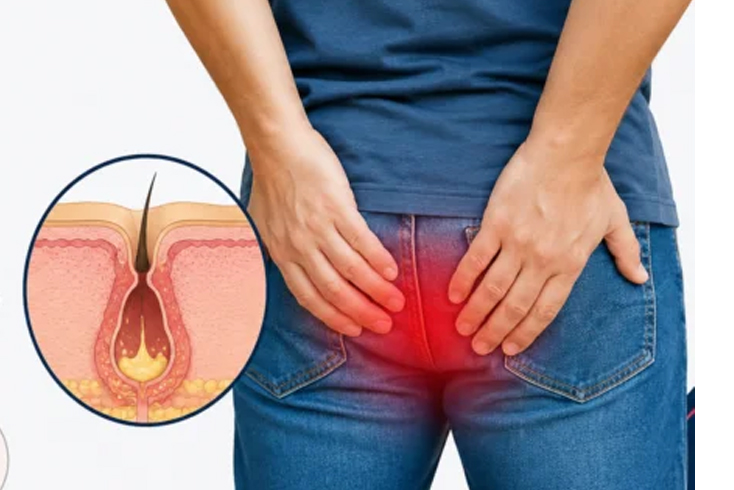
The word comes from Latin terms meaning “nest of hair”. A pilonidal sinus is a small pit, or a set of pits and tunnels, in the skin of the natal cleft near the tailbone. These channels often contain loose hair and debris. When they become infected, they form an abscess or keep draining fluid.
What are the Symptoms?
- Pain or tenderness near the tailbone, worse while sitting
- A swelling or abscess that may burst on its own
- Pus or blood-stained discharge with an unpleasant odour
- One or more tiny pits in the midline, sometimes with hairs sticking out
- Redness and warmth of the skin
- Fever when the infection is significant
Causes and Risk Factors
The leading explanation is that loose hairs pierce the skin of the cleft, helped along by friction and pressure, and the body reacts to them as a foreign object. Factors that raise the risk include:
- Long periods of sitting or driving
- A deep natal cleft and thick body hair
- Excess weight and heavy sweating
- Tight clothing and repeated friction
- A family history of the condition
It is most common in men between their teens and early thirties. It is not simply a matter of poor hygiene.
How It Is Diagnosed
Diagnosis is largely clinical. The surgeon examines the area, counts the pits and looks for side tracts. Imaging such as ultrasound or MRI is reserved for recurrent or complex disease, where the extent of the tunnels needs to be mapped before planning surgery.
Treatment Options
- Draining an abscess: a small incision lets the pus out and brings quick relief. It is not a cure, because the underlying sinus remains.
- Conservative care for mild disease: careful cleaning, regular removal of hair from the area, and avoiding long uninterrupted sitting.
- Minimally invasive methods: pit excision, endoscopic treatment (EPSiT, covered on its own page) and other limited procedures that remove the diseased tissue through very small wounds.
- Excision with healing from the base: the sinus is cut out and the wound is left to heal gradually.
- Excision with closure or flap procedures: after removal of the sinus, the wound is closed, sometimes with a flap technique that flattens the cleft and moves the scar away from the midline. These are used for extensive or recurrent disease.
The right choice depends on the stage of the disease, whether there is active infection, earlier attempts at treatment and your daily routine.
Benefits of Proper Treatment
- Relief from repeated pain and abscesses
- Fewer dressings and clinic visits when the right technique is chosen
- Lower chance of recurrence
- A quicker return to work, study and sport
Recovery and Prevention
Healing time depends on the technique. Small procedures heal in days to a few weeks, while wide excisions can take longer. Whatever the method, a few habits help protect the result:
- Keep the area clean and dry
- Remove hair from the cleft regularly, as advised by your surgeon
- Take breaks from long sitting
- Maintain a healthy weight
- Follow your wound care instructions and attend follow-ups
What to Expect at Your First Visit
The surgeon will ask how long the symptoms have been present, whether you have had abscesses before, and how much of your day is spent sitting or driving. The examination is quick and focused on the natal cleft. You will be told whether your sinus is quiet, infected or recurrent, and which options fit that stage.
When to Seek Urgent Care
A pilonidal abscess can swell quickly. See a doctor without delay if you develop increasing pain, a hot swollen lump, spreading redness or fever. Draining an abscess early brings relief and prevents the infection from spreading under the skin.
Common Myths About Pilonidal Sinus
- Myth: It only affects people who do not keep clean.
- Antibiotics will cure it.
- Surgery always means weeks away from work.
- Once treated, it can never return.
- Fact: Hair, friction and body shape matter more than hygiene.
- They can calm an infection, but the sinus itself remains.
- Minimally invasive options can shorten recovery considerably.
- Recurrence is possible, which is why hair control and follow-up are part of treatment.
FAQs
Can a pilonidal sinus go away on its own?
An abscess may burst and settle, but the sinus underneath usually remains and tends to flare up again.
Is it caused by poor hygiene?
Not mainly. Hair, friction and the shape of the cleft matter more, though keeping the area clean helps.
Will it come back after treatment?
Recurrence is possible, but it is lowered by choosing the right procedure, keeping the area free of hair and following up.
Which treatment is best for me?
That depends on how many pits you have, whether there is an abscess and whether you have had treatment before. A consultation will answer this.
How long will I take to heal?
Anywhere from a few days after a minimally invasive procedure to several weeks after wider surgery.
Expert Surgical Care, Personalised for You
Get the right guidance and treatment advice from Dr. Tarun Mittal.
📞 Call Now: +91 88516 32660
Schedule Your Consultation Today or Call Now to Book Your Appointment!