
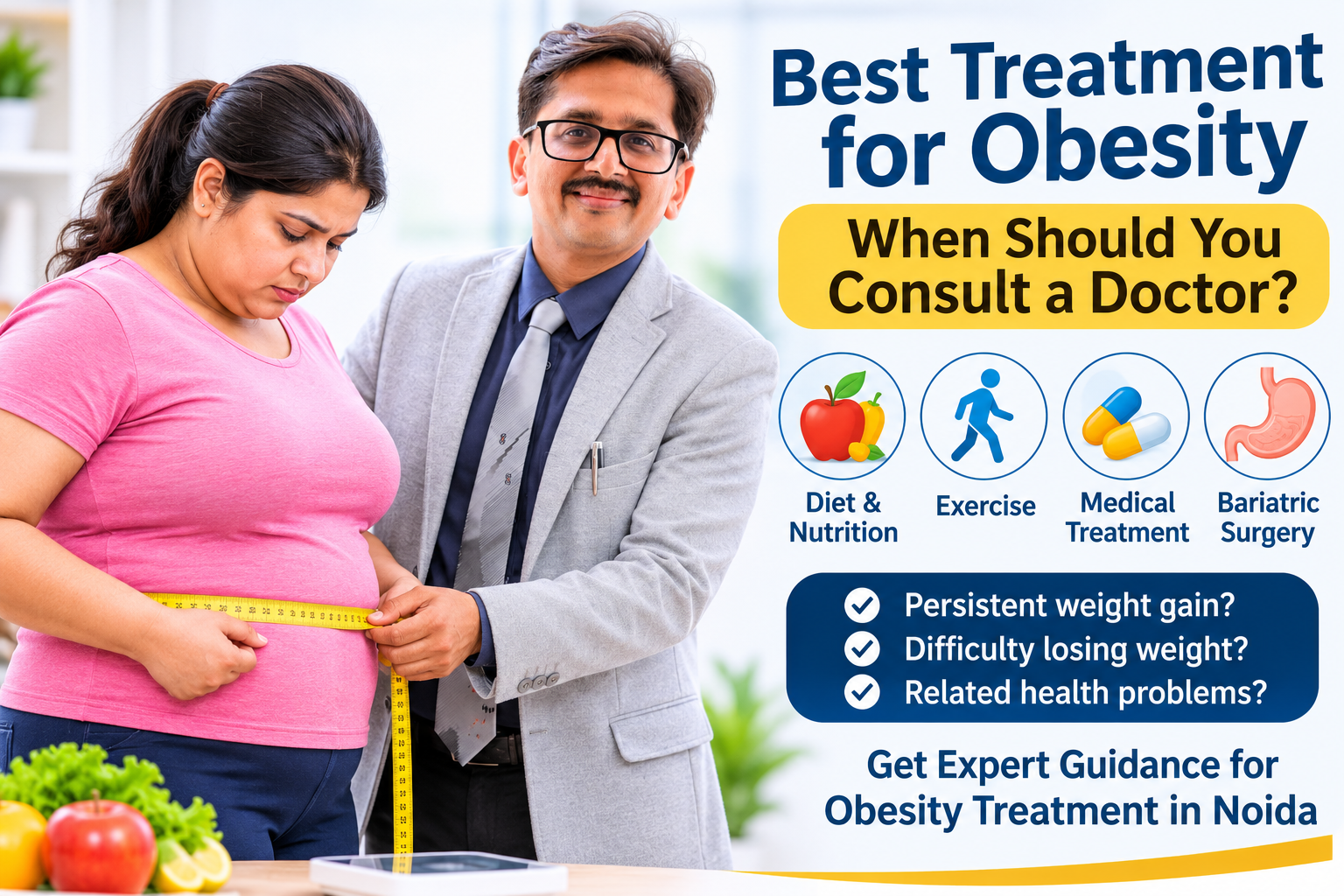
Best Treatment for Obesity: When Should You Consult a Doctor?
Obesity is a common health condition that can affect people of different ages. It involves excessive body fat that may increase the risk of several health problems, including type 2 diabetes, high blood pressure, heart disease, joint problems and sleep apnoea.
Many people try to lose weight through dieting and exercise. However, when weight gain continues, weight loss becomes difficult, or obesity begins affecting daily life and overall health, professional medical guidance can make an important difference.
If you are looking for obesity treatment in Noida, understanding the causes, treatment options and right time to consult a doctor is a useful first step.
What Is Obesity?
Obesity is a chronic health condition characterised by excessive body fat that can negatively affect health.
Doctors commonly use Body Mass Index (BMI) as an initial screening tool. BMI is calculated using a person’s weight and height.
For adults of South Asian background, commonly used BMI categories are:
- BMI below 18.5: Underweight
- BMI 18.5–22.9: Normal weight range
- BMI 23–27.4: Overweight range
- BMI 27.5 or above: Obesity range
BMI is only a screening measure. Waist circumference, medical history and other health assessments may also be needed to understand an individual’s health risks.
Common Causes of Obesity
Obesity does not develop because of one single reason. Several factors can contribute to excessive weight gain.
1. Unhealthy Eating Habits
Frequent consumption of high-calorie foods, sugary drinks, processed snacks and large portions can contribute to weight gain.
2. Lack of Physical Activity
A sedentary lifestyle, prolonged sitting and limited physical activity can make it harder to maintain a healthy weight.
3. Hormonal and Medical Conditions
Certain medical conditions, including thyroid disorders and hormonal imbalances, may contribute to weight changes.
4. Genetic Factors
Family history and genetic factors can influence appetite, metabolism and how the body stores fat.
5. Sleep and Stress
Poor sleep, chronic stress and emotional eating can affect appetite and eating patterns.
Health Problems Associated With Obesity
Excess body weight can increase the risk of several medical conditions, including:
- Type 2 diabetes.
- High blood pressure.
- Heart disease.
- High cholesterol.
- Fatty liver disease.
- Sleep apnoea.
- Knee and joint problems.
- Certain types of cancer.
Obesity can also affect mobility, energy levels, mental well-being and quality of life.
When Should You Consult a Doctor for Obesity?
You should consider consulting a doctor if:
- Your weight continues to increase: Persistent weight gain despite attempts to manage your diet and activity may require medical evaluation.
- You have difficulty losing weight: Repeated unsuccessful weight-loss attempts may indicate a need for structured professional support.
- You have diabetes or high blood pressure: Excess weight can make these conditions more difficult to manage.
- You experience breathing problems during sleep: Loud snoring, interrupted breathing or daytime sleepiness may indicate sleep apnoea.
- You experience joint pain: Excess body weight can put additional pressure on the knees, hips and back.
- Your daily activities are affected: Difficulty walking, climbing stairs or performing routine activities may be a reason to seek help.
Early medical assessment can help identify health risks and determine an appropriate weight-management plan.
What Is the Best Treatment for Obesity?
There is no single treatment that works for everyone. The right approach depends on BMI, medical history, existing health conditions, previous weight-loss attempts and individual needs.
1. Diet and Nutrition Management
A balanced eating plan is an important part of obesity management. It may include:
- Eating more vegetables, fruits and fibre-rich foods.
- Choosing appropriate portion sizes.
- Reducing sugary drinks and highly processed foods.
- Including adequate protein.
- Maintaining regular meal timings.
- Avoiding crash diets and extreme food restrictions.
A qualified dietitian can help develop a sustainable nutrition plan.
2. Regular Physical Activity
Physical activity supports weight management and improves overall health.
Depending on your fitness and medical condition, activities may include:
- Brisk walking.
- Cycling.
- Swimming.
- Strength-training exercises.
- Low-impact aerobic activities.
Start gradually and increase activity according to your doctor’s advice.
3. Medical Weight-Loss Management
Some people may benefit from prescription weight-management medicines alongside dietary changes and physical activity.
These medicines are not suitable for everyone. A doctor evaluates BMI, associated health conditions, possible side effects and other medical factors before prescribing them.
Avoid taking weight-loss medicines or injections without medical supervision.
4. Bariatric Surgery
For people with severe obesity or obesity-related health complications, bariatric or metabolic surgery may be considered after a specialist assessment.
Common procedures include:
Sleeve Gastrectomy: A surgical procedure in which a large portion of the stomach is removed, reducing stomach capacity and influencing appetite-related hormones.
Gastric Bypass: A procedure that creates a smaller stomach pouch and changes the route food takes through the digestive system.
Bariatric surgery is not suitable for everyone. Patients require pre-operative evaluation, counselling and long-term nutritional and medical follow-up.
How Is Obesity Evaluated by a Doctor?
A medical assessment may include:
- Height, weight and BMI measurement.
- Waist circumference measurement.
- Blood pressure assessment.
- Review of eating habits and physical activity.
- Medical and family history.
- Blood sugar and cholesterol tests, when indicated.
- Thyroid or other hormonal investigations, when clinically appropriate.
- Assessment of obesity-related health conditions.
These findings help the doctor recommend a treatment plan based on the patient’s individual needs.
Why Choose Professional Obesity Treatment in Noida?
Managing obesity involves more than simply reducing body weight. The objective is to improve overall health, reduce medical risks and develop habits that can be maintained over time.
A doctor can help identify contributing medical factors, assess obesity-related complications and guide patients towards appropriate treatment options.
At Healing Touch Clinic Noida, patients can seek a consultation with Dr. Tarun Mittal to discuss weight-related concerns and relevant surgical treatment options. The need for specialist referrals, medical weight management or bariatric surgery should be determined through an appropriate clinical evaluation.
Frequently Asked Questions About Obesity Treatment
1. When should I consult a doctor for obesity?
Consult a doctor if you have persistent weight gain, difficulty losing weight, a high BMI or weight-related health problems such as diabetes, high blood pressure, joint pain or sleep apnoea.
2. Can obesity be treated without surgery?
Yes. Many people manage obesity through nutrition changes, physical activity, behavioural support and, when appropriate, prescription medication. Surgery is considered only for selected patients.
3. What is the BMI range for obesity in Indian adults?
For South Asian adults, a BMI of 27.5 or above is commonly used as an obesity threshold. Doctors may also assess waist circumference and other health risks.
4. Is bariatric surgery suitable for everyone?
No. Bariatric surgery is considered after evaluating BMI, obesity-related medical conditions, previous treatment attempts and overall health. A specialist assessment is essential.
5. What are the common types of bariatric surgery?
Common procedures include sleeve gastrectomy and gastric bypass. The choice depends on the patient’s health, clinical needs and specialist recommendation.
6. Can obesity cause diabetes and high blood pressure?
Yes. Excess body fat can increase the risk of insulin resistance, type 2 diabetes and high blood pressure, among other health conditions.
7. How can I maintain weight loss after treatment?
Long-term weight management involves sustainable eating habits, regular physical activity, adequate sleep, behavioural support and medical follow-up when needed.
Consult a Doctor for Obesity Treatment in Noida
Obesity is a manageable medical condition, and seeking professional advice can help you understand the available treatment options.
If you are experiencing persistent weight gain or obesity-related health problems, consider consulting a qualified doctor for an individual assessment.
Healing Touch Clinic Noida
Consultation: Dr. Tarun Mittal
Visit the clinic website to enquire about appointments and available services.



Add comment